
You searched for "apnoea"

Adenotonsillectomy day-case discharge criteria: a systematic review
In this paper, Gowda et al review the literature aiming to answer a long-standing question regarding the criteria for same-day discharge of paediatric patients post adenoidectomy and/or tonsillectomy performed for treatment of obstructive sleep apnoea (OSA). Following PRISMA consensus, they...
Association of eustachian tube dysfunction in children undergoing adenotonsillectomy for sleep-disordered breathing
The need for this study arises from the fact that after undergoing adenotonsillectomy, some children continue to suffer from symptoms of sleep-disordered breathing (SDB) which overlap with symptoms of eustachian tube dysfunction (ETD), such as cognitive and behavioural impairment, resulting...
Is tonsillectomy performed any better by trained surgeons compared with trainees?
Tonsillectomy is one of the most common operations performed in otolaryngology. Training in this procedure therefore needs to begin early in the formative years, while also complying with patient safety and cost-effectiveness requirements. This randomised prospective study compares tonsillectomy with...
Wearable tech revolutionising sleep monitoring: a new era in sleep health
Restful sleep is crucial for health but conditions like obstructive sleep apnoea (OSA) can significantly disrupt it, leading to fatigue, cardiovascular issues, and other serious health problems. Polysomnography (PSG) remains the gold standard for OSA diagnosis [1], however it is...Paediatrics
Ray Clarke, Clinical Sub-dean, Alder Hey Hospital, Liverpool, UK. Prof Liat Kishon-Rabin, PhD, Dean of Innovation in Teaching & Learning; Professor of Communication Disorders, Tel Aviv University, Israel; President (2021-2023) of the European Federation of Audiology Societies (EFAS). E: lrabin@tauex.tau.ac.il...
Clinical assessment in OSA
This paper divides the assessment up into anatomical (nasal and oropharyngeal), endoscopic and imaging. It points out the salient features to look out for in OSA patients with regards the nasal valve and also oropharyngeal anatomy, with tonsil hypertrophy grading...Baltic Ear, Nose and Throat Conference 2026
A landmark gathering for regional and global otolaryngology The 9th Baltic ENT Congress promises to be one of the most comprehensive and dynamic meetings in the region’s otolaryngology calendar. Bringing together leading clinicians, researchers and surgeons from Europe and beyond,...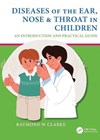
Diseases of the Ear, Nose & Throat in Children: An Introduction and Practical Guide
The name Professor Ray Clarke is well known and well regarded around the paediatric ENT world. With this helpful book, Prof Clarke creates the perfect knowledge base to make paediatric ENT more accessible to those working in general ENT and...
Curettage adenoidectomy impairs eustachian tube function
Adenoidectomy is a common procedure undertaken for obstructive sleep apnoea and nasal obstruction. Curettage is the most common technique but is associated with complications (mucosal trauma, bleeding) that may cause eustachian tube dysfunction (ETD). This study analysed changes in middle...
The electromagnetic larynx
Current treatment options for a bilateral vocal cord palsy (tracheostomy, posterior cordotomy, arytenoidectomy) are suboptimal, with a focus primarily on a static means of airway restoration at the expense of voice production and potentially swallow safety. This paper reports on...


