
You searched for "Cognition"
Communication Disorders: a combined discipline of audiology and speech and language pathology – the Israeli perspective
Liat Kishon-Rabin provides an excellent summary of audiology training in Israel, encapsulating the development of audiology services in the country. Readers will be intrigued by the systematic approach taken to its development, and its pairing with speech and language pathology....Gastric inlet patch – an under-diagnosed cause of globus
A gastric inlet patch (GIP) is an island of heterotopic gastric mucosa found commonly in the proximal oesophagus just below the upper oesophageal sphincter. It is often underdiagnosed due to its location. Its importance and clinical relevance can be underestimated...Botulinum toxin injection in spasmodic dysphonia
Spasmodic dysphonia is a rare neurological voice disorder, which is often missed by the inexperienced ear. There is no laboratory test or investigation to diagnose this condition therefore, it is best diagnosed by listening to the patient’s voice. Laryngeal endoscopy...The multidisciplinary voice clinic
In his inimitable way, Nick Gibbins tells us why the voice clinic is the highlight of his week – and his very own field of dreams. The voice clinic has come a long way in the last 40 years. The...Endotypes in chronic rhinosinusitis: clinical relevance
Identifying endotypes enables personalised therapies that target specific pathophysiological processes, potentially resulting in better treatment outcomes for patients. The contemporary model of chronic rhinosinusitis (CRS) pathogenesis revolving around endotype, in combination with an expanding toolbox of diagnostics and therapeutics, enables...Living with Usher syndrome
“Usher people often still have sharp, clear central vision. It is the corner of their eye that is missing. This is why the Usher person often does not feel or look blind. In the early days they may not even...Congratulations Prof Hesham Saleh
Hesham Saleh has been awarded the title of Professor of Practice in Rhinology at Imperial College London in recognition of outstanding contributions to education, leadership...Recognition for Sunil
Congratulations to Sunil Narayan Dutt, one of the global ambassadors on ENT & Audiology News, whose work has been championed by the Government of Karnataka in South West India. The senior consultant and clinical director in ENT at Apollo Hospitals,...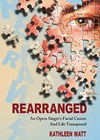
REARRANGED: An Opera Singer’s Facial Cancer And Life Transposed
Rearranged is a wonderfully positive memoir telling of Kathleen Watt’s ordeal through maxillary osteosarcoma. As an early career opera singer in the New York Metropolitan Opera’s chorus, her dreams are derailed and life transformed when this most rare diagnosis hits....
PACT or Partners of Aphasic Clients Conversation Training
There is an increasing recognition that families and caregivers of patients require special training to manage their wards. PACT or Partners of aphasic patients Conversation Training is an initiative which aims to improve awareness of methods of communicating with aphasic...
Predictors of complications in patients undergoing oral cavity cancer surgery
Surgical management of oral cavity cancers is complex, frequently involving extensive resections and complicated reconstructions. Quantification of risk in an individual patient may allow surgeons to more effectively identify patients at higher risk of complications and develop strategies for prevention,...