You searched for "Genetic"

Benign oesophageal strictures: overview and management strategies
Benign oesophageal strictures may have several attributable causes including caustic injuries, long-term acid reflux, eosinophilic oesophagitis, anastomotic strictures and endoscopic therapy. Endoscopic dilation via bougies or balloon dilators may treat most strictures successfully and satisfactorily. However, in some situations treatment...
The hidden enemy of microtia reconstruction: cholesteatoma
Although ear reconstruction for concha-type microtia is generally successful, its frequent association with congenital aural stenosis introduces a hidden risk of cholesteatoma due to disruption of epithelial migration. This negatively affects hearing and reconstructive outcomes. This single-centre retrospective case series...
Clinical value of 3 T magnetic resonance imaging after intratympanic gadolinium injection in cases of delayed endolymphatic hydrops
Recurrent vertigo can continue after severe unilateral or bilateral hearing loss. This is a condition similar to Ménière’s disease, the diagnosis of which can be difficult. In this study intratympanic injection of gadolinium-diethylenetriamine penta-acetic acid dimeglumine was done in 25...Mindfulness meditation: how personal experience of managing severe pain contributes to understanding tinnitus management
In this interesting article the author describes the potential benefit of mindfulness in the management of tinnitus, using a case report to illustrate this.This may well be an additional direction we can suggest for our patients. Mindfulness is a word...
Laryngeal Physiology for the Surgeon and Clinician – Second Edition
This second edition is a short (110 pages), succinct and concise book. I don’t usually like reading physiology textbooks, but I found this one very interesting. It is written in a manner which is easy to read and digest. It’s...
THRIVE: redefining airway management in endoscopic oesophageal surgery
Transnasal humidified rapid insufflation ventilatory exchange (THRIVE) is no longer just a tool to help anaesthetists secure a difficult airway. Thanks to the work of authors like Yang and colleagues, it is being revolutionised to provide apnoeic oxygenation during endoscopic...Evidence-based practice: management of sudden sensorineural hearing loss
What is the current evidence for medical management of sudden sensorineural hearing loss? Jessica Choong and Stephen O’Leary present a review of the current evidence of treatments options. Sudden sensorineural hearing loss (SSNHL) causes significant distress and, in many cases,...Intratympanic steroids in Ménière's disease: what’s the evidence?
The days of drastic surgery for Ménière's disease are long gone. We know that intratympanic injections can deliver high doses of medication to the inner ear with minimal discomfort and minimal risk. But how do we choose from the myriad...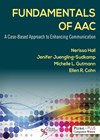
Fundamentals of AAC – A Case-Based Approach to Enhancing Communication
A comprehensive text that will appeal to speech and language therapists at all stages of their careers, from undergraduate through to seasoned professionals working directly in the field. Despite there being 64 contributors (mostly from the US), the editors have...
Do you use the evidence or do you just know to do that?
In this day and age we generally consider healthcare practice to be evidence-based. Unfortunately there are not always the plethora of research articles available that address the dilemmas of day-to-day clinical practice. This piece of work considers what factors influence...