You searched for "Cancer"
Type 1 thyroplasty using a novel and inflatable implant from APrevent® VOIS
Unilateral vocal cord immobility severely impacts voice, swallowing, and airway functions. A novel approach offers adjustable medialisation for improved patient outcomes. Unilateral vocal cord immobility (UVCI) can cause significant disability to voice, swallowing, and airway functions. Patients with UVCI may...In conversation with Chrysa Spyridakou, Robert Nash, Emma Clement, Nish Mehta and Anne GM Schilder
Jaclyn Tan interviews members of the London-based multidisciplinary hearing team, about their insights to auditory neuropathy spectrum disorder, and their vision for the future management of this challenging range of conditions. Auditory neuropathy spectrum disorder (ANSD) describes a wide range...Management of olfactory dysfunction
An evidence-based update on olfactory dysfunction: who to image, how to test and what works – OT, CRS surgery, biologics and PRP. Olfactory dysfunction (OD) is highly prevalent, affecting more than 20% of the adult population with a clear age-related...Somatosensory tinnitus: an interdisciplinary approach
Somatosensory tinnitus occurs when a head, neck or jaw problem influences what the tinnitus sounds like. Audiologists and physical therapists work together to address this tinnitus subtype. Background Tinnitus is the perception of sound in the ears or head, in...Nasal sidewall reconstruction
Expert reconstruction of nasal sidewall defects requires careful selection of techniques across nasal layers, balancing aesthetics, structural support and patient needs. When reconstructing a nasal skin defect, a variety of factors should be taken into account in order to achieve...Stricture after total laryngectomy: what are the risk factors?
Stricture after total laryngectomy is common but not inevitable. New insights into risk factors could help clinicians anticipate problems and improve swallowing outcomes. Why this complication deserves renewed attention Total laryngectomy remains one of the defining operations in head and...Hearwell Medical Philippines supports World Hearing Day 2026
Our global distribution partner, Hearwell Medical Philippines, recently joined the World Hearing Day 2026 celebration at Bicol Medical Center, led by the Newborn Hearing Screening Reference Center – Region V. Themed ‘From Communities to Classroom – Hearing Care for All...Medway Medical Fayres
For the last five years, Professor Rahul Kanegaonkar has been running Medway Medical Fayres for children in Kent, UK. Free to attend, the fayres take place at Medway Campus of Canterbury Christ Church University and allow 12–13-year-olds from less affluent backgrounds to experience a breadth of medical specialties.Audiology In This Issue - Identity
Guest Section Editors Crystal Rolfe, BSc, MSc, Associate Director of Strategy - Health, RNID, UK. Teri Devine,Associate Director of Strategy - Inclusion and Employment, RNID, UK. What is deaf identity? There are many variables that impact on deaf identity, such...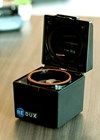
Redux: a new professional hearing aid dryer
Moisture is one of the most common reasons hearing aids malfunction. Whether it is because a patient forgot to take off their hearing aids before jumping in the swimming pool, they wear their hearing aids while working out or they...